Solar savings calculator
See how much a solar system could actually save you on your power bill each year, compared to not having one.
What this means for you
See how much more you could save by shifting more usage into daylight hours.
Compare self-consumption levels
This is the single biggest lever you actually control — see how much savings shift between low and high self-consumption.
| Scenario | Self-consumption | Annual savings |
|---|---|---|
| Low (away all day) | 40% | $0 |
| Current | 65% | $0 |
| High (home, shifted usage) | 80% | $0 |
Unlike system size or electricity prices, self-consumption is something you can actually influence day to day — timers on appliances and hot water cylinders are the easiest lever.
Assumptions & sources
Typical NZ retail electricity and solar buy-back rates from major retailers.
1 July 2026
17 July 2026
Annual savings = (self-used kWh × retail rate) + (exported kWh × buy-back rate), where generation = system size × yield.
Retail bill savings from self-consumed power, plus buy-back credits for exported power.
Rising electricity prices over time, panel output degradation, and any fixed daily charges on your power plan.
Related reading
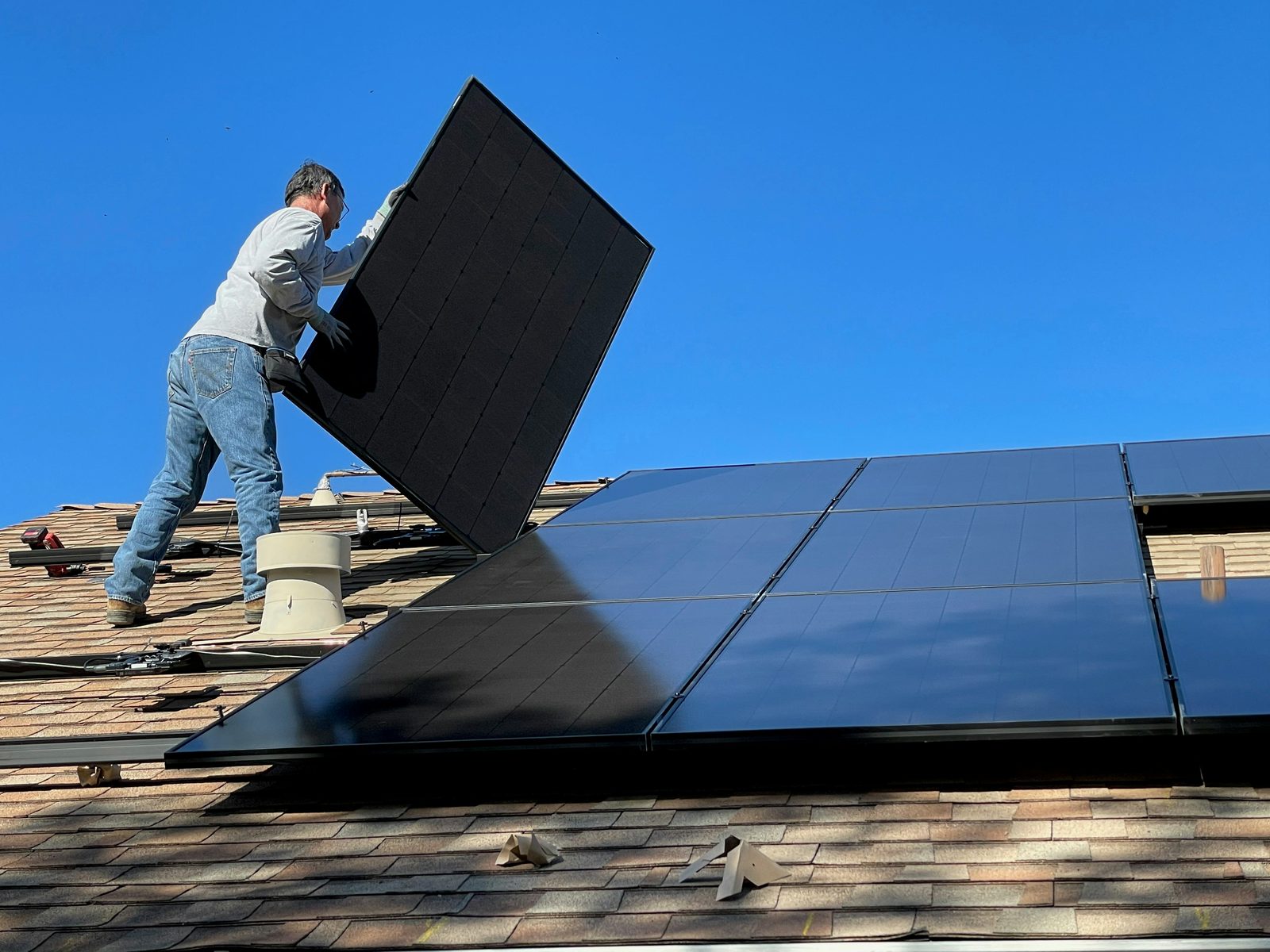
Is solar really worth it?
Solar panels cost thousands upfront — here's when the payback maths actually works in your favour, and when it doesn't.
Read article →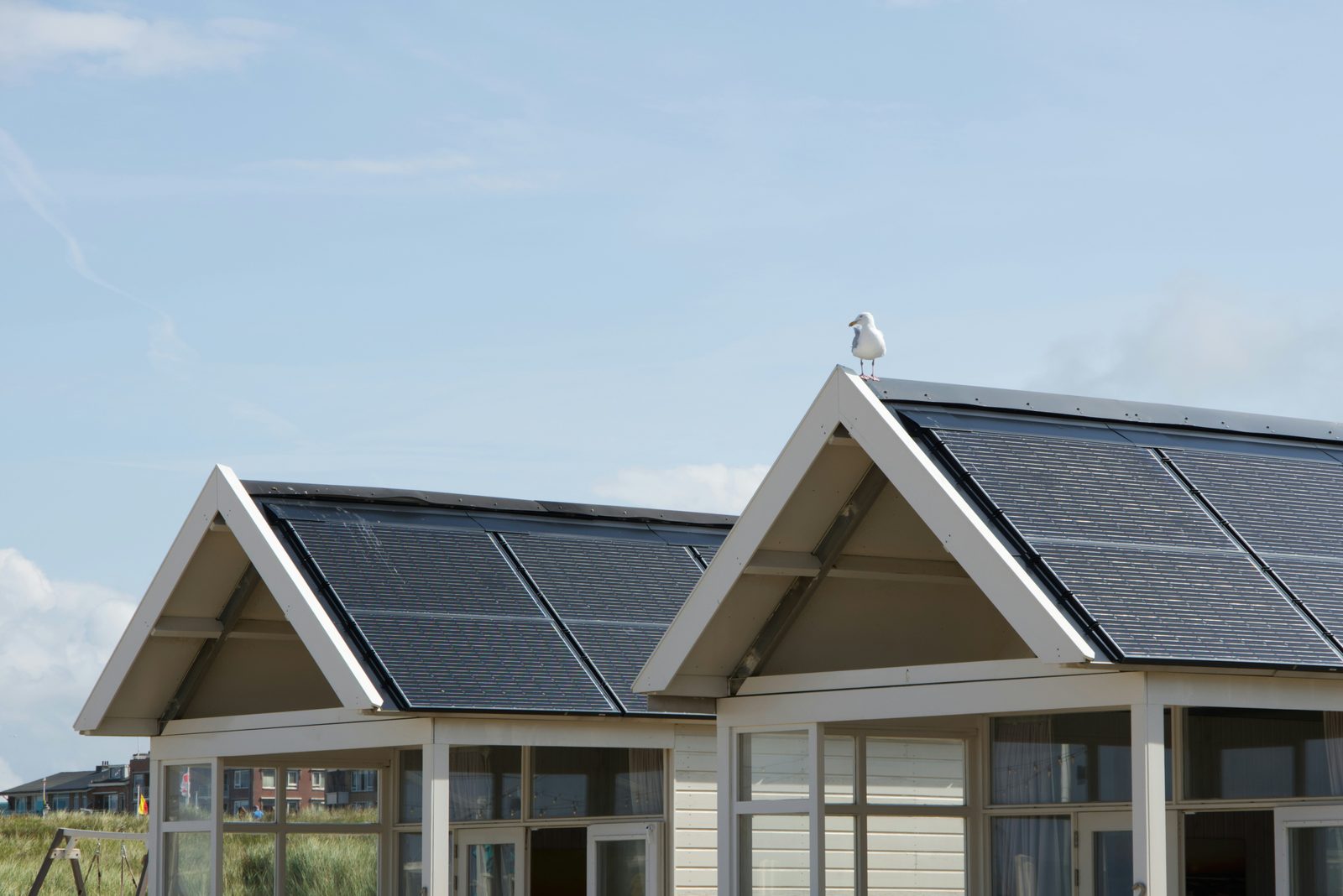
How does NZ stack up against Australia in residential solar?
Australia has one of the highest rooftop solar rates in the world. Here's why NZ lags behind — and whether that's changing.
Read article →The self-consumption gap
The single biggest lever in your solar savings isn't system size — it's how much of what you generate you actually use in your own home. In 2026, retail electricity runs around 33 cents per kWh, while buy-back rates for exported power sit around 8-12 cents — meaning self-used power is worth roughly three times as much as exported power. Two identical systems can produce very different savings depending purely on when the household is home and using power during daylight hours.
Simple habits — running the dishwasher, washing machine or hot water cylinder timer during the day rather than the evening — can meaningfully shift this balance in your favour without spending anything extra.
Example: Two identical 6.6kW systems in Tauranga, different habits
Both the Okafor and Kim families have identical 6.6kW systems in Tauranga, each generating approximately 8,580kWh a year.
The Okafors are home during the day and run appliances in daylight, reaching 65% self-consumption. The Kims both work 9-5 and use most of their power in the evening, reaching only 35% self-consumption.
At 33c/kWh retail and a 10c/kWh buy-back rate, the Okafors save approximately $2,140 a year, while the Kims save only approximately $1,550 — from the exact same system.
That's a nearly $600-a-year gap driven entirely by when power gets used, not by the system itself — which is exactly why shifting appliance use to daylight hours is often the cheapest upgrade a solar household can make.
Frequently asked questions
For a typical home with a mid-sized system and a $200/month bill, annual reduction is commonly $1,500-$2,000, with solar covering 70-80% of usage. It depends heavily on self-consumption rate.
Because self-used power saves the full retail rate (~33c/kWh), while exported power only earns the buy-back rate (8-12c/kWh) — roughly a third of the value. Two systems generating the same total power can save very different amounts.
