Car depreciation calculator
See roughly what your car could be worth in a few years, based on typical NZ depreciation curves.
Value over time
See the depreciation curve — value drops faster in the earlier years, then levels off.
What this means for you
See how sensitive the final value is to your depreciation rate assumption — it's one of the biggest unknowns in this estimate.
Compare depreciation rates
The rate you choose matters a lot — see how the estimated value shifts between a slow and fast depreciation curve.
| Scenario | Annual rate | Value at year {years} |
|---|---|---|
| Holds value well | 9% | $0 |
| Current | 18% | $0 |
| Depreciates fast | 25% | $0 |
Reliable, popular models tend to track closer to the "holds value well" end; niche, luxury or less popular models often track closer to "depreciates fast."
Assumptions & sources
General NZ used-car market depreciation patterns by vehicle age band — actual rates vary significantly by make, model and condition.
1 July 2026
17 July 2026
Reducing-balance depreciation at a flat annual rate: value = current value × (1 − rate)^years.
Estimated resale value only, based on your chosen or entered annual depreciation rate.
Real-world factors like accident history, mileage, market demand shifts, and the steeper first-year drop many new cars actually experience.
Related reading

How much does it really cost to own a car in NZ?
The sticker price is just the start — here's everything else a car actually costs to own in NZ, and how it adds up per week.
Read article →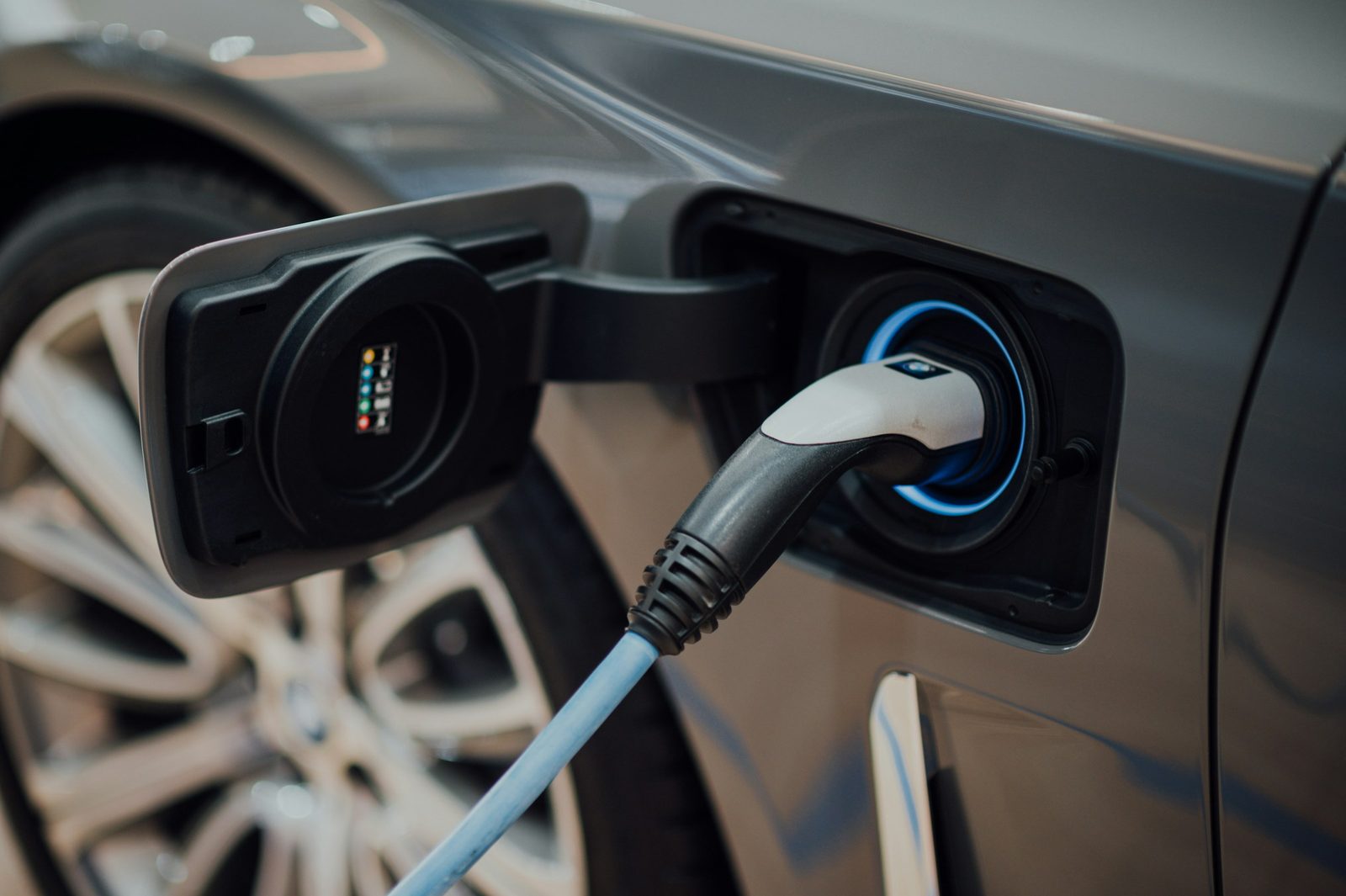
EV vs petrol: which is cheaper to own in NZ in 2026?
Electric cars cost more upfront but less to run. Here's how the total cost of ownership actually compares in NZ.
Read article →How car depreciation works
Depreciation is steepest in the first year or two of a new car's life — often 15-20% — then slows to a more gradual 8-13% a year as the car ages. Used cars that are already a few years old have typically passed the steepest part of the curve, so they depreciate more slowly in percentage terms from that point on, even though their dollar value is lower.
Depreciation isn't uniform across the market. Reliable, high-demand models — many Toyotas and popular SUVs, for instance — tend to hold their value better because resale demand stays strong. Niche models, luxury badges with expensive running costs, and vehicles facing fast-moving competition (some EVs, as battery range and tech improve model to model) can depreciate faster than the averages used here.
Example: A $45,000 new Kia Sportage after 5 years
Zoe buys a new $45,000 Kia Sportage. Using an 18% annual depreciation rate, after 5 years it would be worth approximately $16,680.
That means she's lost approximately $28,320 in value — around 63% of the purchase price — over those 5 years.
In reality, the rate typically eases after the steep first year or two — a car like this might actually retain more value than a flat 18%-a-year model suggests, since most of that depreciation usually happens earlier rather than spread evenly.
Worth revisiting the calculator with a lower rate for year 2 onward if you want a more realistic long-term picture, rather than relying on a single flat rate for the whole projection.
Frequently asked questions
Commonly around 15-20%, with the steepest drop happening the moment it leaves the dealership. Depreciation then slows to roughly 10-15% a year for the next few years.
No — it varies by make, model, fuel type and demand. Popular, reliable models tend to hold value better, while niche, luxury, or fast-superseded models can depreciate faster than average.
