Is solar really worth it?
Solar panels cost thousands upfront and the payback maths can feel murky. Here's a clear-eyed look at when solar actually pays off in New Zealand — and when it doesn't.
 By the KiwiSums team
·
Published 21 July 2026
·
Updated 21 July 2026
·
7 min read
By the KiwiSums team
·
Published 21 July 2026
·
Updated 21 July 2026
·
7 min read
What solar actually costs upfront
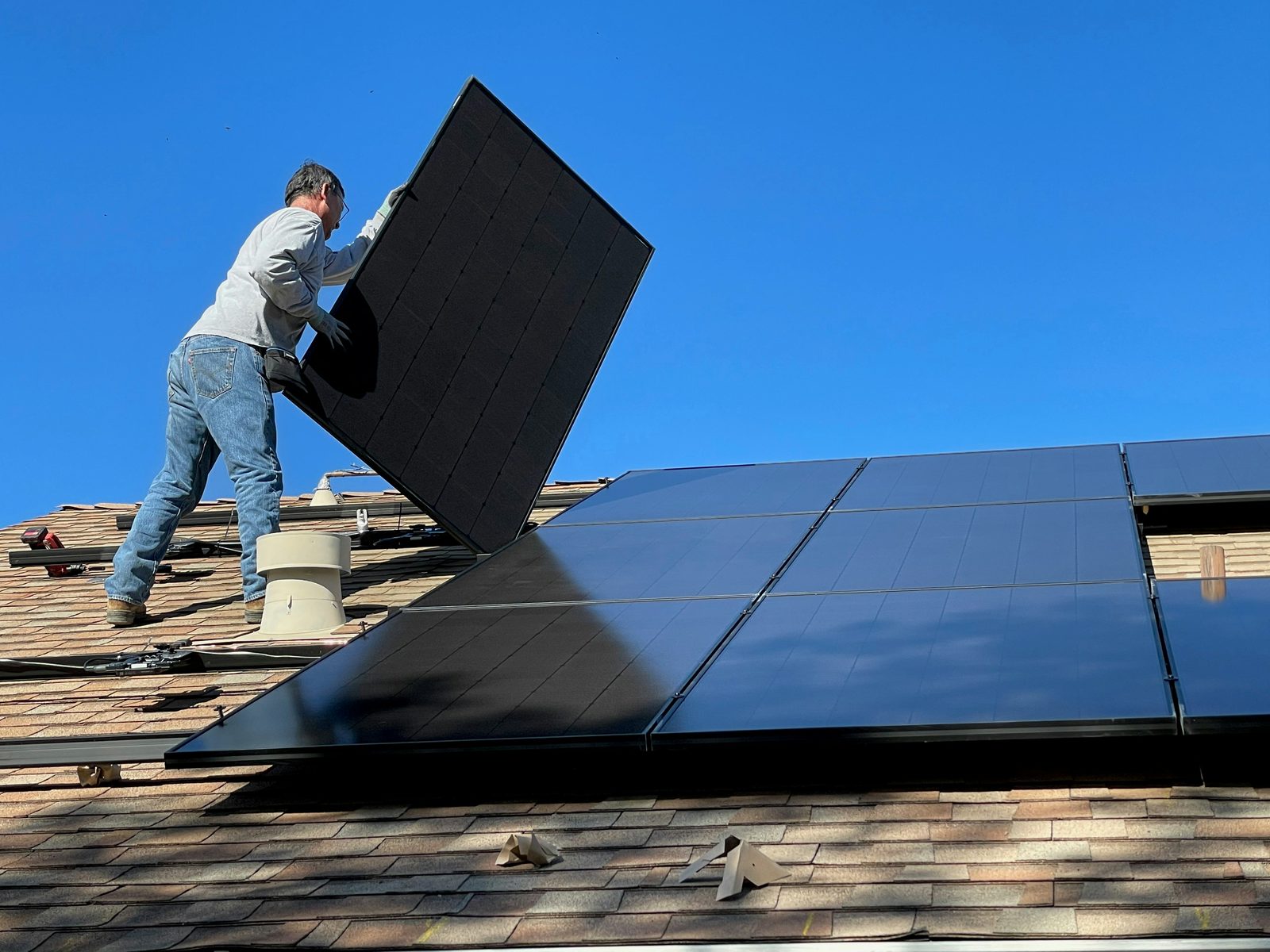
A typical residential system in NZ (around 6-7kW, enough for an average household) commonly costs somewhere between $10,000 and $16,000 fully installed, depending on panel quality, roof complexity and inverter choice. That's a real chunk of money up front, and it's the number that makes a lot of people hesitate — even when the long-term maths works in their favour.
There's no government rebate for residential solar in New Zealand, unlike some other countries, so the full cost sits with the homeowner (or gets financed). That makes getting an accurate, itemised quote — not just a ballpark — the first real step, since prices vary a lot between installers for a similar-looking system.
What really drives the payback
The single biggest lever in the payback maths isn't panel efficiency or brand — it's how much of the power you generate you actually use yourself versus export back to the grid. Self-consumed power offsets your full retail rate (often 30c+/kWh), while exported power typically earns a buy-back rate of only 7-17c/kWh — 2-4x less valuable per kWh.
"Solar doesn't pay you for making power — it pays you for not buying power. The two are worth very different amounts."
That's why two households with an identical system can land on very different payback periods. A household that's home during the day, running a heat pump, EV charger or hot water cylinder off the sun will usually see a much faster payback than one that's out at work and exports most of what it generates.
When solar tends to pay off
| What matters | Good fit | Weaker fit |
|---|---|---|
| Daytime occupancy | Home during the day (WFH, retired, shift work) | Away most weekdays (9-5 office job) |
| Roof orientation | North-facing, largely unshaded | South-facing or heavily shaded |
| Household loads | EV, heat pump or hot water timed to daytime | Mostly evening and night usage |
| Power plan | Standard or higher retail rate | Very cheap off-peak / night rate |
| Time in the home | Staying 10+ years | Selling within 2-3 years |
These are general tendencies, not hard rules — your actual numbers depend on your roof, usage and system size. Run the real figures in the calculators below.
When it's a weaker bet
None of this means solar is a bad idea if you're out most days — it just means the payback stretches longer, and pairing panels with a battery or shifting some usage to daytime (like running the dishwasher on a timer) can meaningfully improve the numbers. It's worth modelling your specific situation rather than going on general advice alone.
Quick check: is your home a good fit?
Solar is likely a strong candidate for your household — daytime occupancy is one of the biggest drivers of a fast payback. Model your exact numbers in the solar savings calculator.
What you can do now
- Size it realistically. Oversizing for a bigger rebate that never comes just adds cost — use the system sizing calculator to match the system to your actual usage.
- Get itemised quotes. Compare at least two or three using the install cost calculator as a sanity check.
- Run your real payback period. Plug in your own roof, usage and quote into the payback calculator rather than relying on rules of thumb.
- Check the resale angle too. See the home value impact calculator if resale value factors into your decision.
Written by the KiwiSums team
We build plain-English calculators for New Zealand money decisions. This explainer is general information, not financial advice — figures are illustrative and simplified for clarity. Talk to your bank or a licensed adviser about your own situation.
Assumptions & sources
Typical NZ residential solar install cost ranges advertised by major installers; standard NZ retail vs buy-back rate spreads.
21 July 2026
21 July 2026
Payback and cost ranges are indicative for a standard 6-7kW rooftop system — your actual numbers depend heavily on roof orientation, shading, household usage pattern and the specific quote you receive. Use the solar calculators linked throughout for figures specific to your situation.
Related reading
How does NZ stack up against Australia in residential solar?
Australia has one of the highest rooftop solar rates in the world. Here's why NZ lags behind — and whether that's changing.
Read article →
What does the OCR rate hike mean for you?
The Reserve Bank just lifted the OCR to 3.50% — what it means for your mortgage, savings and everyday costs.
Read article →Frequently asked questions
Typically 7-10 years for a well-sized system on a sunny roof with decent daytime usage, though it can stretch beyond 12 years for homes that are empty most days, or shrink below 6 years for high daytime users with an EV or heat pump. Run your own numbers in the payback calculator — a $2,000 difference in install cost or a 10% swing in self-consumption can move the answer by years.
Generally yes, though the premium is usually modest and highly variable — see the home value impact calculator for an estimate. It's rarely the main financial reason to install solar; running cost savings usually matter more.
Usually not from a pure payback perspective — if you won't own the home long enough to recoup the install cost through savings, you're relying on the resale premium to make up the difference, which is less certain than direct savings.
