Solar export earnings calculator
See what your surplus solar power could earn you in buy-back credits from your electricity retailer.
What this means for you
See what that same exported power would have been worth if you'd used it yourself instead.
Compare retailer buy-back rates
Buy-back rates vary a lot between retailers — see how much difference shopping around could make.
| Scenario | Buy-back rate | Annual earnings |
|---|---|---|
| Lower-rate retailer | 7c/kWh | $0 |
| Current | 10c/kWh | $0 |
| Higher-rate retailer | 17c/kWh | $0 |
The gap between the lowest and highest buy-back rates on offer can be worth checking, especially if you export a large share of your generation.
Assumptions & sources
Typical NZ solar buy-back rates advertised by major electricity retailers.
1 July 2026
17 July 2026
Exported power = generation × (1 − self-consumption %), where generation = system size × yield. Earnings = exported power × buy-back rate.
Estimated buy-back earnings from exported solar power only.
Bill savings from self-consumed power — see the solar savings calculator for the bigger picture, since self-consumption is usually worth far more than exports.
Related reading
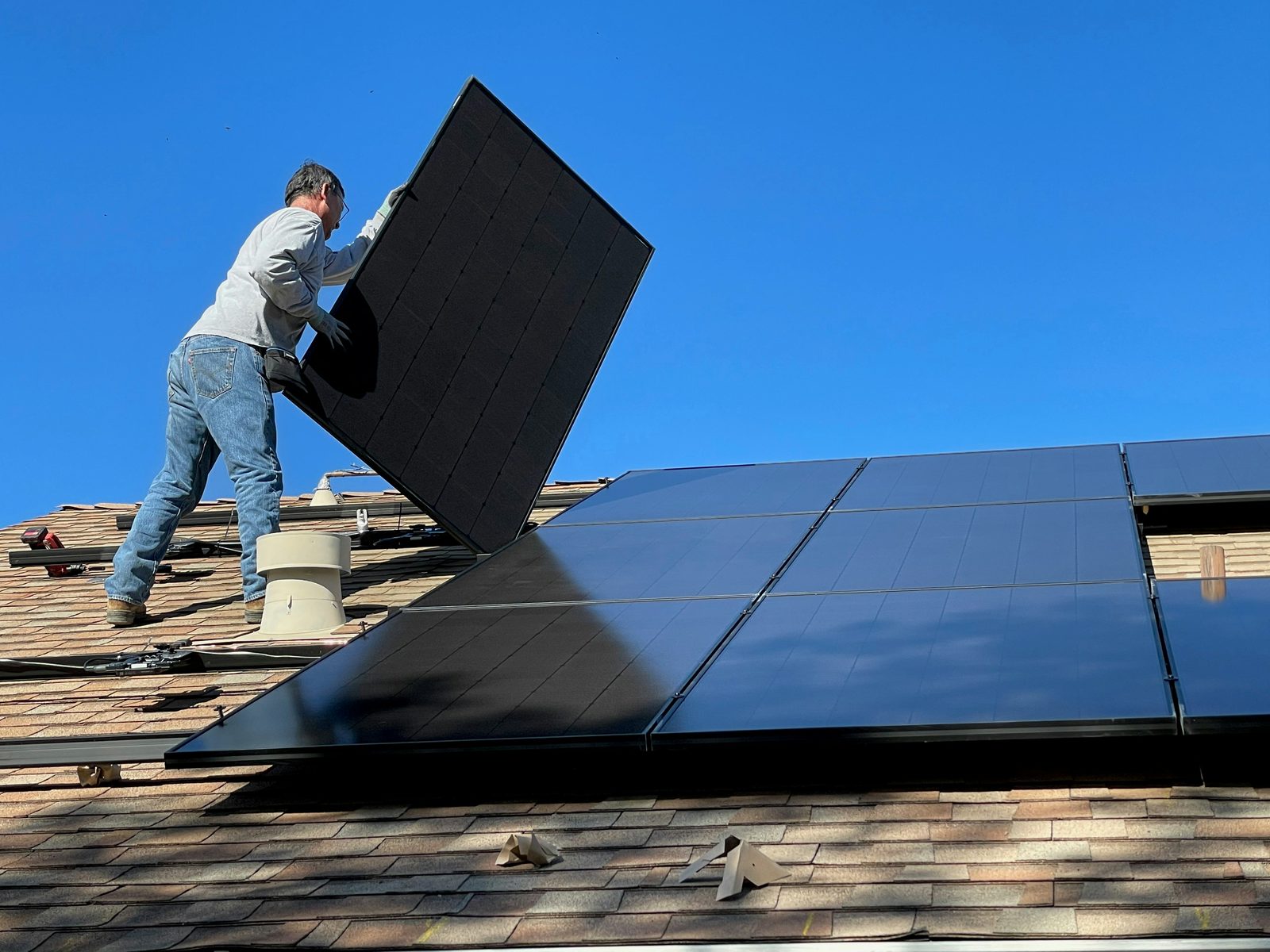
Is solar really worth it?
Solar panels cost thousands upfront — here's when the payback maths actually works in your favour, and when it doesn't.
Read article →
How does NZ stack up against Australia in residential solar?
Australia has one of the highest rooftop solar rates in the world. Here's why NZ lags behind — and whether that's changing.
Read article →Export earnings are a bonus, not the main event
It's tempting to think of solar export as a mini income stream, and it genuinely is one — but it's worth keeping in perspective. At a typical 10c/kWh buy-back rate against a 33c/kWh retail rate, every kWh you export earns you roughly a third of what the same kWh would have saved you if used directly. Shopping around for a better buy-back rate is worthwhile once you've got a system installed, since the gap between retailers can be meaningful, but it shouldn't be the deciding factor in choosing a system size or an installer.
Some retailers bundle buy-back rates into wider "solar plans" with different fixed charges or time-of-use pricing — it pays to compare the full plan, not just the headline buy-back number, since a slightly lower buy-back rate on an otherwise cheaper plan can still come out ahead overall.
Example: Comparing buy-back offers on an 8kW system in New Plymouth
Koa has an 8kW system generating approximately 10,000kWh a year, with 60% self-consumption — leaving approximately 4,000kWh a year exported.
His current retailer pays an 8c/kWh buy-back rate, worth approximately $320 a year. A competitor offers 15c/kWh on an otherwise similar plan, worth approximately $600 a year.
Switching adds approximately $280 a year for doing nothing but changing which company buys his surplus power — no system changes, no extra cost.
Small compared to his overall bill savings, but a genuinely free $280 a year is still worth an annual check of what other retailers are offering.
Frequently asked questions
The amount your retailer pays per kWh of surplus solar power you export. NZ rates in 2026 typically range 7-17c/kWh, varying by retailer — it's worth shopping around after installation.
Self-consumption almost always wins — it avoids the full retail rate (~33c/kWh) versus earning only the buy-back rate (7-17c/kWh), 2-4x more valuable per kWh. Export earnings are a bonus, not the primary goal.
