Solar battery storage calculator
See whether adding a home battery to your solar system makes financial sense, and how long it takes to pay for itself.
What this means for you
See how much your battery's payback improves if you're able to shift more usage through it.
Compare usage levels
The more power you shift through the battery each year, the faster it pays back — see the range.
| Scenario | Power shifted / year | Payback period |
|---|---|---|
| Light use | 1,000 kWh | — |
| Current | 2,000 kWh | — |
| Heavy use (e.g. EV charging) | 4,000 kWh | — |
Households charging an EV overnight or running high evening loads can shift much more power through a battery, meaningfully improving the payback math.
Assumptions & sources
Typical NZ home battery pricing and retail/buy-back electricity rate spreads from major retailers.
1 July 2026
17 July 2026
Payback = battery cost ÷ annual saving, where annual saving = power shifted × (retail rate − buy-back rate).
Battery hardware and installation cost, and the value of shifting exported power to self-consumption.
The value of backup power during an outage, and any battery degradation over its usable life.
Related reading
Is solar really worth it?
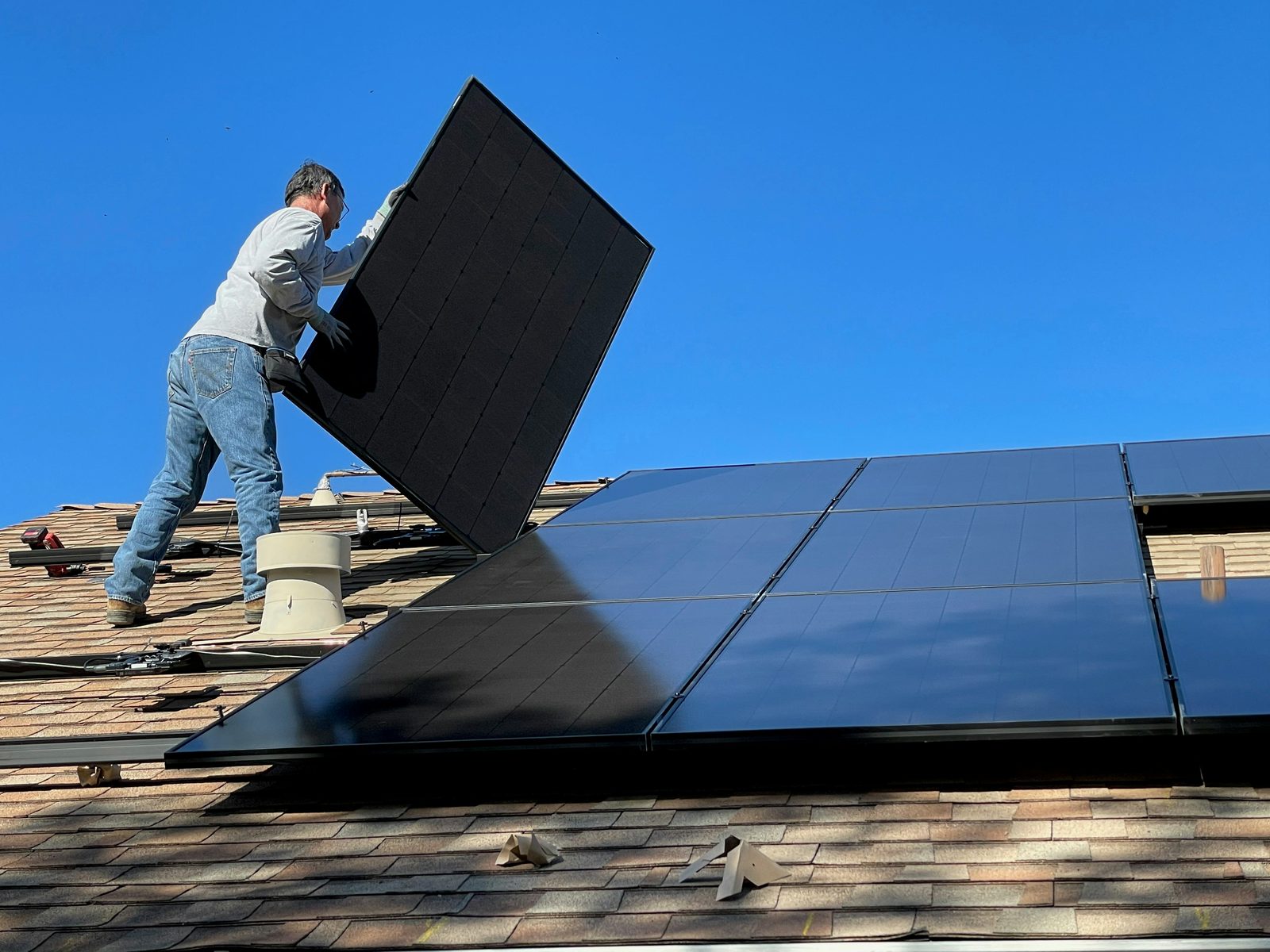
Solar panels cost thousands upfront — here's when the payback maths actually works in your favour, and when it doesn't.
Read article →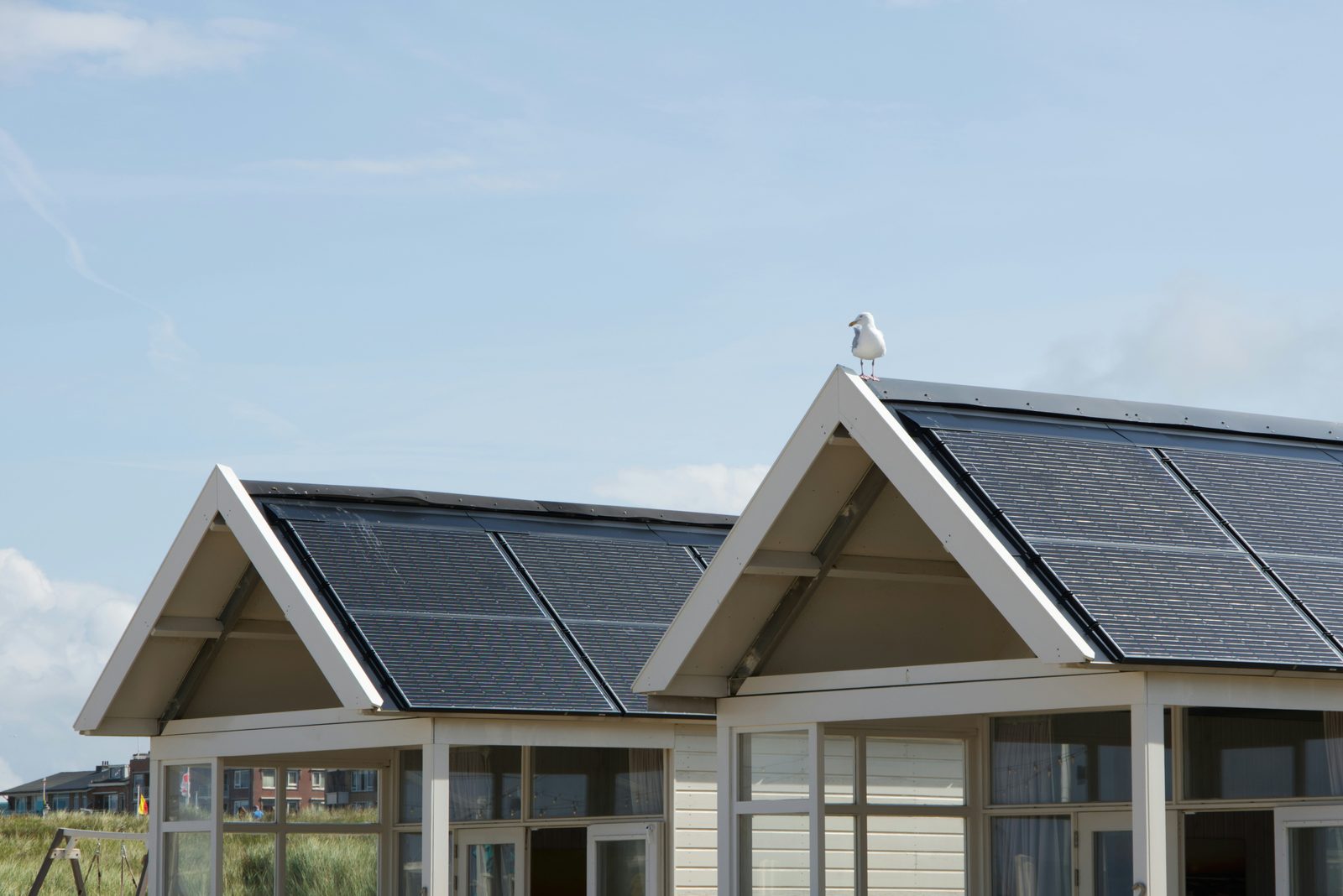
How does NZ stack up against Australia in residential solar?
Australia has one of the highest rooftop solar rates in the world. Here's why NZ lags behind — and whether that's changing.
Read article →Why NZ's low buy-back rates make batteries a harder sell
A battery doesn't generate a single extra kilowatt-hour of power — its entire value proposition is converting power you'd otherwise export at a low buy-back rate into power you use yourself and avoid paying the much higher retail rate for. In markets with generous feed-in tariffs, that arbitrage is small and batteries make less financial sense. In NZ, where buy-back rates commonly sit at 8-12 cents against a retail rate around 33 cents, that gap is actually quite large in relative terms — but the battery hardware cost is also high enough that payback periods still typically run into the teens of years on the numbers alone.
That's why battery decisions in NZ often come down to more than pure payback maths — genuine backup power during an outage, EV charging flexibility, or simply wanting to maximise self-sufficiency can tip the decision even when the payback period alone looks marginal.
Example: A 13kWh battery shifting 2,800kWh a year
The Fitzgeralds add a 13kWh battery for $16,500, expecting to shift approximately 2,800kWh a year that would otherwise be exported.
At the 23-cent gap between retail (33c) and buy-back (10c) rates, that's an additional saving of approximately $644 a year.
At that rate, the battery takes approximately 25.6 years to pay for itself on the numbers alone — longer than many battery warranties, and a clear illustration of why pure payback maths often doesn't favour batteries in NZ.
Whether it still makes sense for the Fitzgeralds depends on things this maths doesn't capture — backup power during an outage, or simply valuing self-sufficiency, which is a personal call rather than a financial one.
Frequently asked questions
A 10kWh battery system typically costs $12,000-$20,000 fully installed in 2026, depending on brand. Adding one during a new solar install is usually cheaper than retrofitting later.
On its own, often marginal — standalone payback commonly runs 12-18 years given NZ's relatively low buy-back rates. The case improves with rising power prices or a genuine need for backup power, which pure payback maths doesn't capture.
Without a battery, surplus solar is sold back to the grid at the buy-back rate. A battery lets you store that energy and use it later instead of buying electricity at the higher retail rate. The bigger the gap between your retail rate and buy-back rate, the more each stored kWh can save you.
