EV vs petrol calculator
Compare the total cost of owning an electric vs petrol car over several years — not just the price tag.
Cost over time
Total cost of ownership so far, year by year — watch where the two lines cross.
What this means for you
See roughly how many years it takes for the EV's running-cost savings to offset its higher purchase price.
Compare ownership periods
How long you keep the car is one of the biggest factors here — see how the verdict shifts.
| Scenario | Verdict | Difference |
|---|---|---|
| 3 years | — | $0 |
| Current (5 years) | — | $0 |
| 7 years | — | $0 |
EVs tend to look better the longer you keep the car, since running-cost savings keep accumulating while the purchase price gap is fixed.
Assumptions & sources
Typical NZ EV and petrol running costs (fuel/electricity, road user charges, rego, WOF, insurance, servicing) and depreciation curves by vehicle type.
1 July 2026
17 July 2026
Total cost = purchase price + (running cost × years) − resale value, where resale value uses a reducing-balance depreciation curve (20%/year EV, 18%/year petrol).
Purchase price, fuel/electricity, road user charges, rego, WOF, insurance, servicing and estimated resale value.
Finance costs if you're borrowing to buy, and any government incentives or charging infrastructure costs.
Related reading
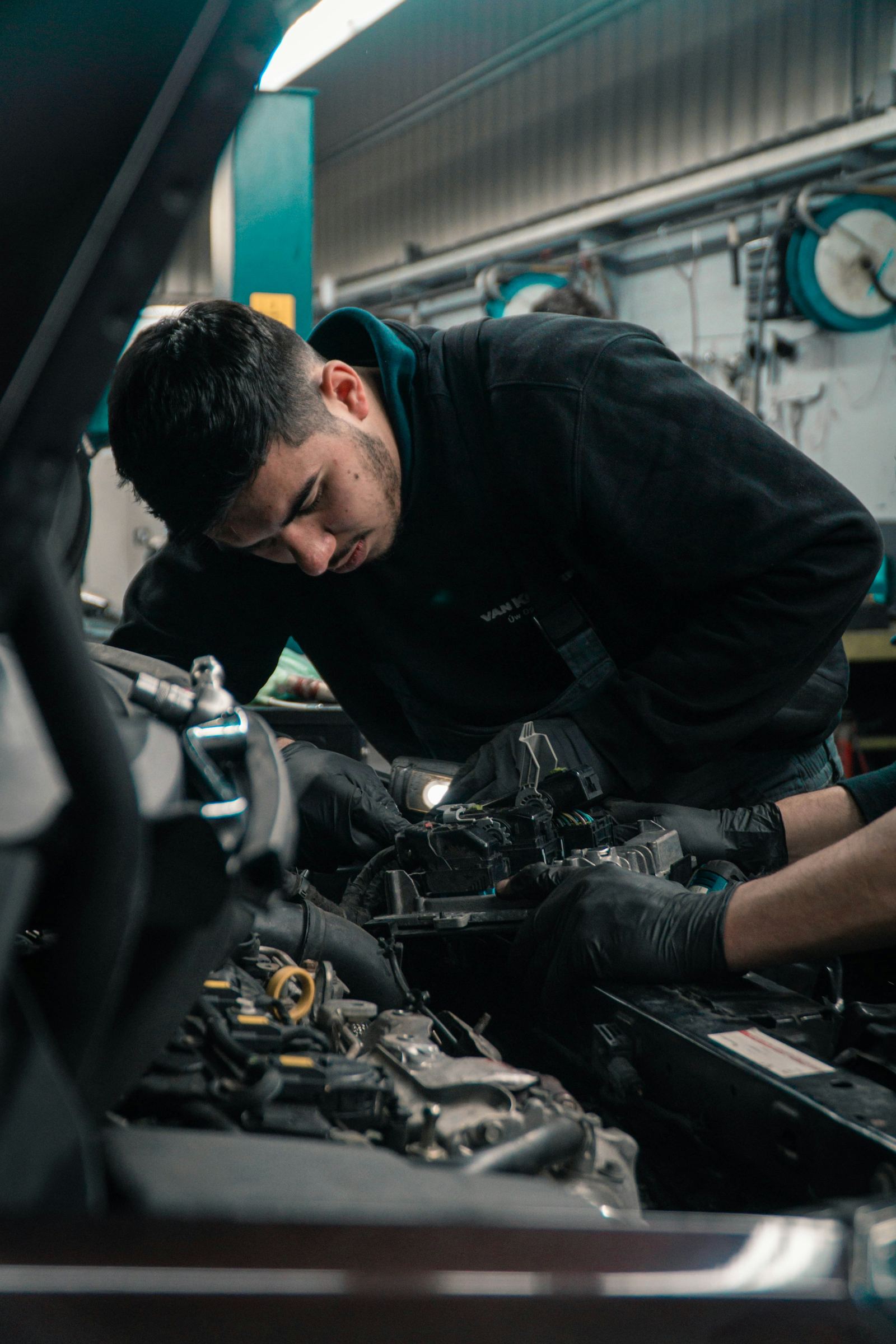
How much does it really cost to own a car in NZ?
The sticker price is just the start — here's everything else a car actually costs to own in NZ, and how it adds up per week.
Read article →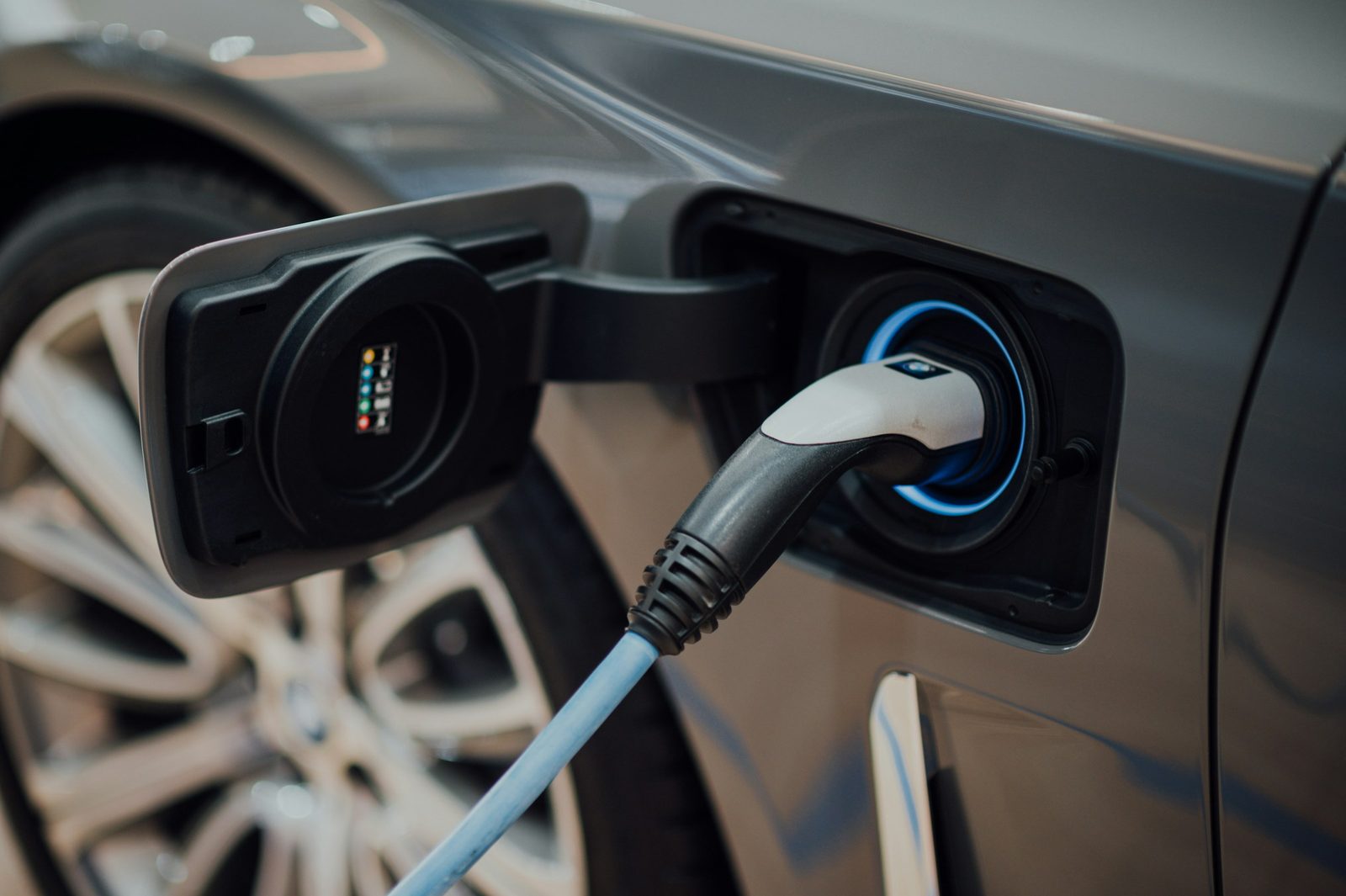
EV vs petrol: which is cheaper to own in NZ in 2026?
Electric cars cost more upfront but less to run. Here's how the total cost of ownership actually compares in NZ.
Read article →Why total cost tells a different story than sticker price
EVs still commonly cost more to buy new than an equivalent petrol car, but running costs usually tip the other way — charging is typically cheaper per kilometre than petrol even after road user charges, and EVs generally need less scheduled servicing since there's no engine oil, timing belts, or exhaust system to maintain. Whether the EV comes out ahead overall depends heavily on how many kilometres you drive each year and how long you keep the car, since the purchase price gap needs enough distance and time to be offset by running-cost savings.
Resale value is the wildcard — EV technology and battery ranges are still improving quickly model to model, which has historically pushed EV depreciation a little faster than equivalent petrol cars, though this gap has been narrowing as the EV market matures.
Example: A $65,000 EV vs a $45,000 petrol SUV, 12,000km a year
Ben is deciding between a $65,000 EV and a $45,000 petrol SUV, expecting to drive about 12,000km a year and keep whichever car he buys for 5 years.
At $3.10/litre, the petrol SUV's fuel alone typically costs him well over $2,000 a year, while charging the EV at home at $0.30/kWh usually comes in at under half that per kilometre.
But the $20,000 higher upfront price is a big gap to close purely on fuel savings at moderate mileage — for a driver like Ben, the two often land closer together in total 5-year cost than the running-cost difference alone would suggest.
The deciding factor tends to be resale value and how many kilometres he actually ends up driving — a higher-mileage driver closes the price gap faster, which is exactly what changing the numbers above will show.
Frequently asked questions
Per kilometre, usually yes — charging commonly costs a third to half as much as fuelling an equivalent petrol car, even after road user charges. EVs also typically need less servicing thanks to fewer moving parts.
Generally yes, especially new, though the gap is narrowing as more models arrive and battery costs fall. Lower running costs can offset the higher purchase price over several years, which is why total cost matters more than the sticker price alone.
