How does NZ stack up against Australia in residential solar?
Australia has one of the highest rates of rooftop solar in the world. New Zealand's uptake is far lower — here's why the gap exists, and whether it's closing.
 By the KiwiSums team
·
Published 21 July 2026
·
Updated 21 July 2026
·
6 min read
By the KiwiSums team
·
Published 21 July 2026
·
Updated 21 July 2026
·
6 min read
The headline gap
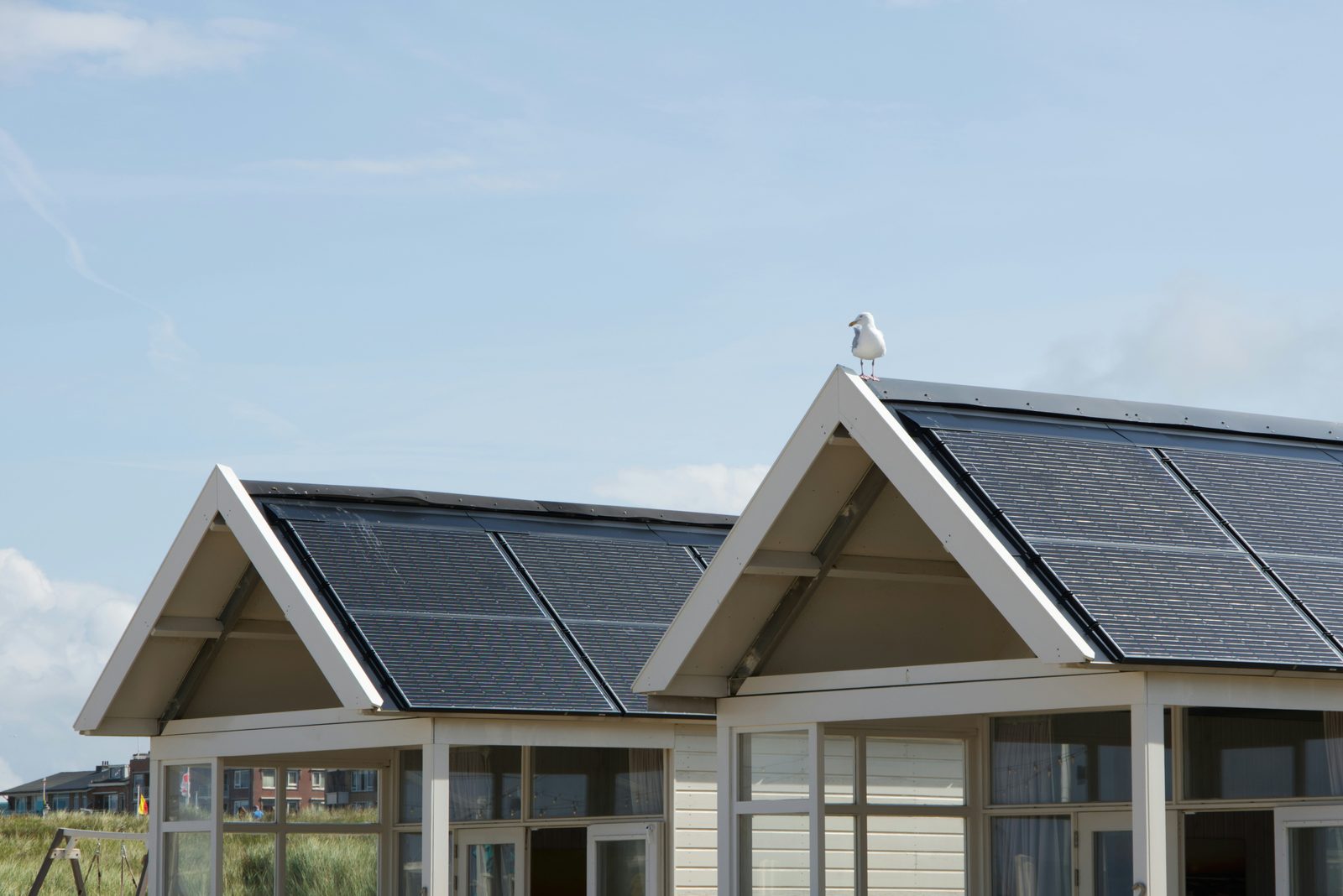
Australia is one of the world's rooftop solar leaders — roughly a third of standalone houses have panels on the roof, among the highest household adoption rates anywhere. New Zealand sits at a small fraction of that, commonly estimated at somewhere around 3-5% of households. That's a big gap for two countries with broadly similar climates, incomes and housing stock.
Why Australia raced ahead
Australia's federal government has subsidised residential solar since 2011 through a scheme that issues tradeable certificates (STCs) for every system installed, effectively cutting the upfront cost by a large chunk — commonly somewhere around a third of the total, though the exact discount shrinks each year as the scheme phases down toward 2030. On top of that, Australia's higher historical retail power prices and generally strong sunshine hours made the payback maths compelling for a lot of households, especially from the early 2010s onward.
Why NZ lagged behind
New Zealand tells a different story. Roughly 80-85% of NZ's electricity already comes from renewable sources — mostly hydro, geothermal and wind — which historically kept retail power prices lower than many countries reliant on fossil fuels, softening the financial case for solar. There's also never been a national solar subsidy here, so the full install cost sits with the homeowner, and parts of the country (particularly the South Island in winter) get meaningfully less sunshine than most of Australia.
"Australia didn't just get more sun — it got a subsidy, a pricier grid to escape, and a decade's head start. New Zealand is missing all three."
Does NZ actually get enough sun?
It's a common assumption that NZ is "too cloudy" for solar to work well — but that's largely a myth. Northern New Zealand's solar irradiance is broadly comparable to Germany's, a country with one of the largest installed solar bases in the world. Solar panels work fine in NZ's climate; the bigger factors holding uptake back have been economic (price and subsidy), not meteorological.
Compare the two markets
Tap a metric to compare the two markets side by side. Figures are indicative estimates, not official statistics — see the assumptions panel below for sources.
What this means for you now
The gap is real, but the reasons behind it are shifting. NZ retail power prices have been climbing, and cost-of-living pressure — including the kind of interest rate moves covered in our OCR rate hike explainer — is pushing more households to look for ways to cut fixed monthly costs. Solar still doesn't have a subsidy here, but the payback maths has been quietly improving for the households it suits.
What you can do now
- Check today's numbers, not old assumptions. Rising power prices mean payback periods calculated even a few years ago may be out of date — run your own in the payback calculator.
- Don't wait for a subsidy that isn't coming. Unlike Australia, there's no sign of a national NZ solar rebate — decisions should be based on today's economics, not a hoped-for future one.
- Weigh self-consumption, not just sunshine hours. Since NZ has no subsidy to fall back on, how much power you use yourself matters even more here than in a subsidised market — see our is solar worth it explainer.
- Compare buy-back rates. With no subsidy cushion, getting a competitive export rate matters more — see the export earnings calculator.
Written by the KiwiSums team
We build plain-English calculators for New Zealand money decisions. This explainer is general information, not financial advice — figures are illustrative and simplified for clarity. Talk to your bank or a licensed adviser about your own situation.
Assumptions & sources
Publicly reported industry estimates on rooftop solar adoption (Australia's Clean Energy Regulator publishes STC installation data; NZ figures are commonly cited industry/EECA estimates). Figures are rounded for illustration.
21 July 2026
21 July 2026
Adoption rates, price and incentive figures are approximate, rounded estimates intended to illustrate the scale of the gap between the two markets — not precise official statistics. Both countries' figures vary by state/region and change over time; check current official sources before citing exact numbers.
Related reading
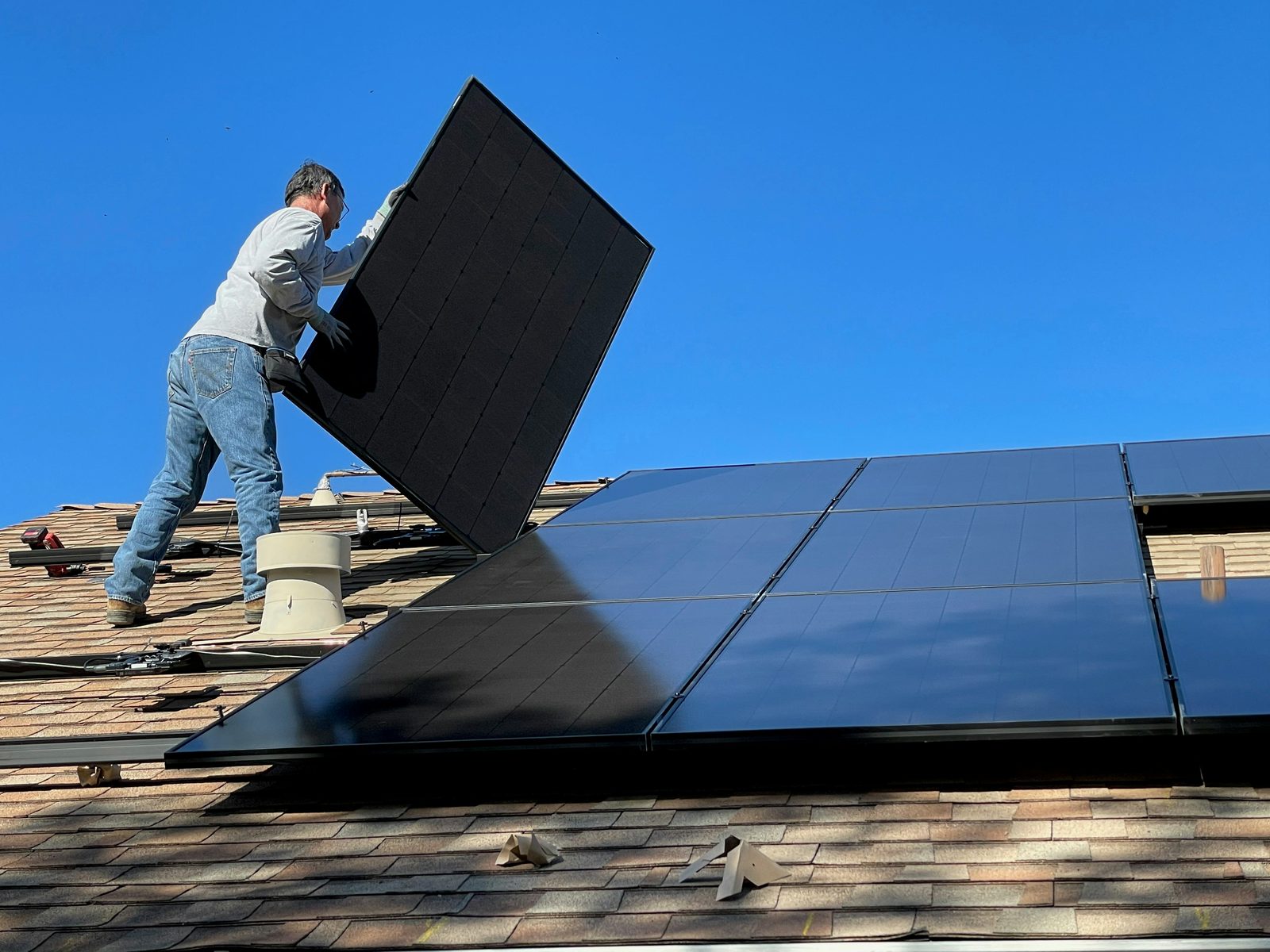
Is solar really worth it?
Solar panels cost thousands upfront — here's when the payback maths actually works in your favour, and when it doesn't.
Read article →
What does the OCR rate hike mean for you?
The Reserve Bank just lifted the OCR to 3.50% — what it means for your mortgage, savings and everyday costs.
Read article →Frequently asked questions
Mainly a combination of a long-running national subsidy scheme, historically higher retail electricity prices that made the savings more compelling, and strong sunshine hours across most of the country — a combination New Zealand hasn't had.
Yes, especially in the northern half of the country — solar irradiance there is broadly comparable to Germany, one of the world's biggest solar markets. Climate isn't the main reason NZ's uptake is lower; economics is.
Slowly, and mainly for economic reasons — rising NZ retail power prices are gradually improving the payback maths, even without a subsidy. It's unlikely to close quickly without a policy change, but more households are finding solar makes sense on the numbers alone.
