The real cost of living in New Zealand in 2026
Rent, groceries, power, petrol — the cost of living conversation is everywhere. Here's what it actually looks like in the numbers for 2026.
 By the KiwiSums team
·
Published 22 July 2026
·
Updated 22 July 2026
·
6 min read
By the KiwiSums team
·
Published 22 July 2026
·
Updated 22 July 2026
·
6 min read
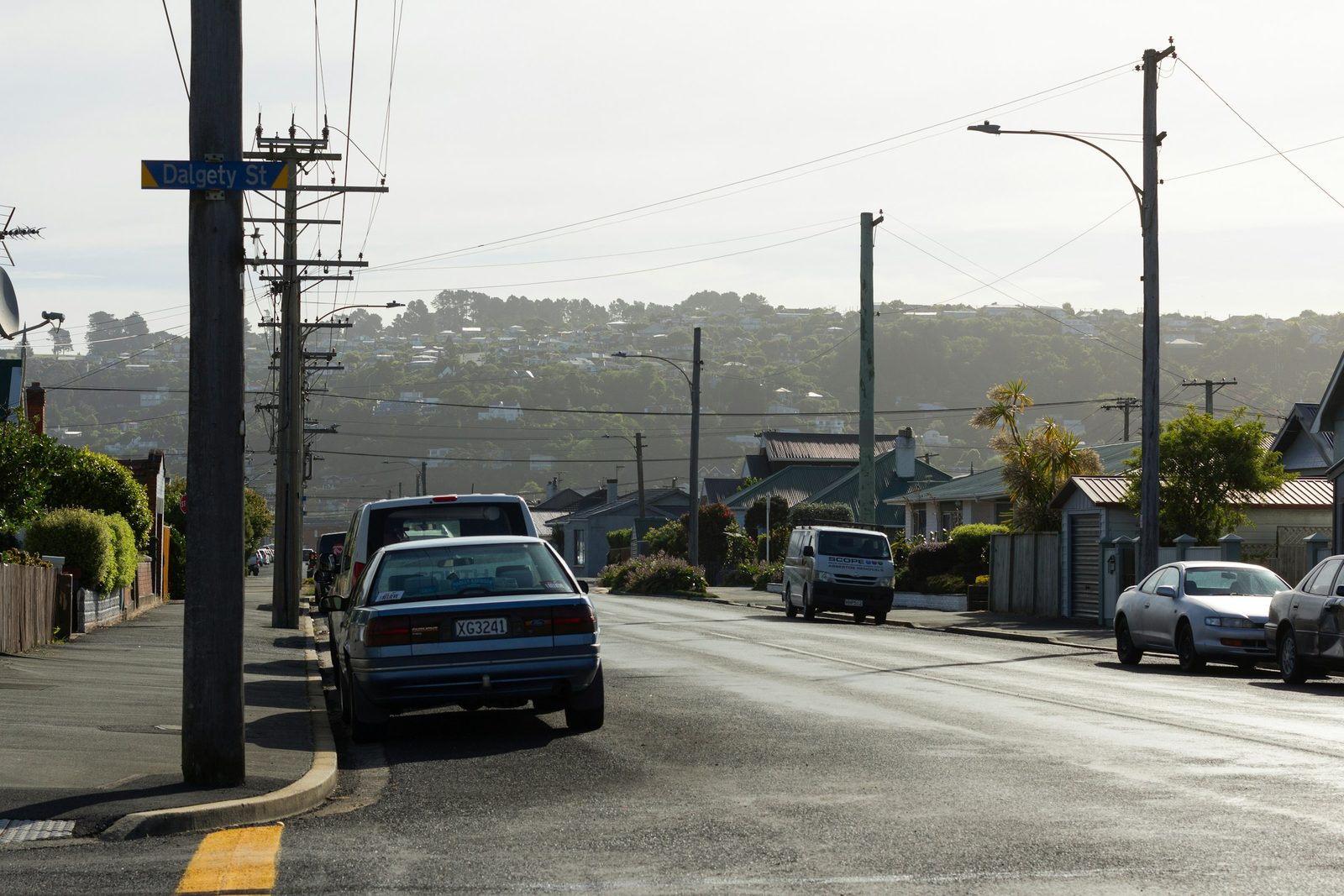
What's driving cost of living pressure right now
Cost of living pressure usually comes down to prices rising faster than incomes in specific categories — recently that's been most visible in housing, insurance and groceries. Interest rate movements matter too: mortgage repayments are one of the biggest swing factors for homeowning households, which is why Reserve Bank decisions get so much attention.
The big-ticket items
Housing remains the single biggest driver — whether that's rent, mortgage repayments, rates, or insurance, which has risen sharply in many parts of the country in recent years. Groceries and fuel/energy round out the next tier, both sensitive to global supply costs and exchange rates as much as anything happening locally.
"Cost of living isn't one number — it's a bundle of prices that move at different speeds, and housing usually sets the pace."
Where NZ compares regionally
Auckland and Wellington typically carry the highest overall cost of living, driven mainly by housing, while smaller regional centres tend to have cheaper housing but sometimes higher transport costs if amenities and jobs are more spread out.
What you can do now
- Build your own baseline. Add up your real numbers in the monthly budget calculator rather than going on national averages.
- Model rate changes. If you have a mortgage, see how sensitive you are to rate moves with the mortgage payment calculator.
- Weigh renting vs buying. The rent vs buy calculator can help if housing decisions are part of your cost-of-living picture.
- Check what's actually in your pay. See the take-home pay calculator to know your real starting point.
Written by the KiwiSums team
We build plain-English calculators for New Zealand money decisions. This explainer is general information, not financial advice — figures are illustrative and simplified for clarity. Talk to your bank or a licensed adviser about your own situation.
Assumptions & sources
General cost-of-living trends informed by Stats NZ consumer price data and Reserve Bank commentary; not a specific published index.
22 July 2026
22 July 2026
This article describes general, directional cost-of-living trends rather than a precise published index — actual costs vary enormously by region, household and circumstances. Use the calculators linked throughout for figures specific to your situation.
Related reading

How much does the average NZ household spend each month?
Wondering if your spending is normal? Here's how an average NZ household's monthly budget breaks down.
Read article →
What does the OCR rate hike mean for you?
The Reserve Bank just lifted the OCR to 3.50% — what it means for your mortgage, savings and everyday costs.
Read article →Frequently asked questions
Certain costs have risen faster than wages in recent years — notably housing, insurance and groceries — though the picture varies a lot by region and household situation.
Housing costs (rent or mortgage) typically have the single biggest impact, followed by groceries, transport and utilities — see our household spending breakdown for the full picture.
Reserve Bank rate decisions flow through to mortgage rates fairly quickly, which is one of the biggest swing factors in a homeowning household's cost of living — see our OCR explainer for more.
